# How Small Packaging Details Can Improve the Takeout Experience
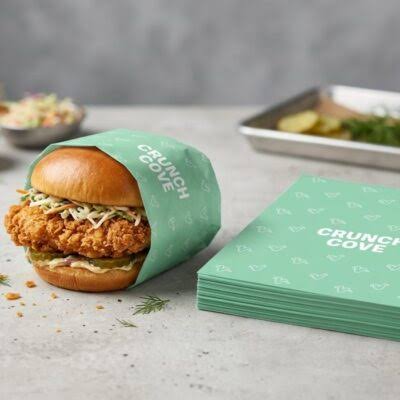
Takeout has become a regular part of everyday life. Customers may order food during a busy workday, on the way home, or when they simply want an easy meal. Because the food leaves the restaurant, packaging becomes an important part of the experience. Small choices, such as [**burger wrapping paper printing**](https://foodpaperstore.com/custom-burger-wrapping-paper/), can help keep food wrapped neatly while making the order look more organized.
Packaging does not need to be complicated to be useful. A wrapper that holds food properly, a box that keeps its shape, or a liner that catches grease can make a meal easier to carry and enjoy. For restaurants, these small details can also help reduce spills, protect food, and create a more consistent presentation.
## Keep Food Secure During Transport
Food can move around during takeout and delivery. Burgers may shift inside boxes, fries can spill, and sauces may leak if containers are not secure.
Packaging should keep each item stable during normal movement. A properly sized container can reduce empty space and help prevent food from sliding around.
Businesses should test packaging with real orders to see how it performs during transport.
## Choose the Right Size
Size is one of the simplest packaging details that can affect the takeout experience.
A container that is too large may allow food to move around. A container that is too small may press against the food and damage its appearance.
Restaurants should choose packaging based on actual portion sizes. Different menu items may need different sizes rather than one package for everything.
## Protect Food From Grease
Grease is a common problem with burgers, fries, fried chicken, and other popular takeout foods.
A suitable food-safe wrapper or liner can help keep grease from spreading onto bags, tables, and customers' hands.
The material should be selected based on the food. Businesses should test it with their greasiest menu items before using it regularly.
## Make Food Easy to Open
Takeout packaging should be simple to open. Customers should not need to struggle with several layers or complicated closures before reaching their meal.
At the same time, packages should stay closed during transport.
A good balance between security and easy access can make the experience much more convenient.
## Keep Food Looking Neat
Customers often judge the appearance of their meal when they open the package.
Food that has shifted, become crushed, or spilled can look less appealing even if it still tastes good.
Proper packaging can help keep food in its intended position. Wrappers, trays, and boxes should support the food rather than allow it to move freely.
## Consider Heat and Moisture
Hot food can create steam inside closed packaging. Too much moisture can affect the texture of certain foods.
Crispy foods, for example, may become soft if steam has nowhere to escape.
Restaurants should consider ventilation and material choice when packing hot meals. The right solution depends on the type of food and how long it will remain packaged.
## Make Bags Easy to Carry
The customer experience continues after the food leaves the restaurant.
Takeout bags should be strong enough [**for**](https://hedgedoc.stura-ilmenau.de/) the weight of the order. Handles should be comfortable when used, and containers inside the bag should remain upright when possible.
Heavy or poorly balanced bags can make customers more likely to spill their food.
## Keep Sauces Under Control
Sauces can create some of the biggest takeout messes. A leaking sauce container can affect the entire order.
Restaurants can use secure sauce cups and keep them separate from foods when appropriate.
For meals with large amounts of sauce, packaging should provide enough space and protection to reduce the risk of leaks.
## Use Liners for Extra Protection
Liners can provide an additional layer between food and the inside of a box or tray.
They can help catch crumbs and grease while also making the package look cleaner.
After the meal is finished, disposable liners can be removed easily, which may also make cleanup simpler for customers.
## Keep Branding Simple
Packaging can help customers recognize a restaurant. A logo, simple color scheme, or consistent design can create a familiar look across different orders.
However, branding should not interfere with function. Customers still need to open, carry, and use the package easily.
A clean design can often make a stronger impression than a package filled with too many graphics.
## Think About Different Takeout Foods
Restaurants with varied menus should not assume that one packaging style will work for every item.
A burger may need a secure box or wrapper. A salad may need a leak-resistant container. Fried foods may benefit from ventilation, while desserts may require protection from crushing.
Matching the package to the food can improve both presentation and quality.
## Test Packaging Before Using It
Businesses should test packaging under normal conditions before ordering large quantities.
Prepare actual meals and check how they look after being packed. Carry them for a short distance and inspect them for spills, movement, heat, and grease.
Staff members can also provide useful feedback because they handle packaging every day.
## Small Details Can Make a Big Difference
A takeout package may seem like a small part of a restaurant order, but it connects the kitchen to the customer.
A secure wrapper, well-sized box, clean liner, or strong bag can prevent common problems. These improvements do not need to be expensive or complicated.
The best packaging choices are often the ones that quietly make the meal easier to carry, open, and enjoy.
## Conclusion
Small packaging details can make takeout food more convenient, cleaner, and easier to enjoy. Restaurants can improve the experience by choosing the right sizes, controlling grease and sauces, protecting food from moisture, and making packages easy to open and carry. Using [**custom food paper**](https://foodpaperstore.com/) can also provide a practical way to wrap, line, and present different takeout foods. When businesses focus on simple packaging solutions that match their actual menu, they can create a smoother experience from the kitchen to the customer's hands.